


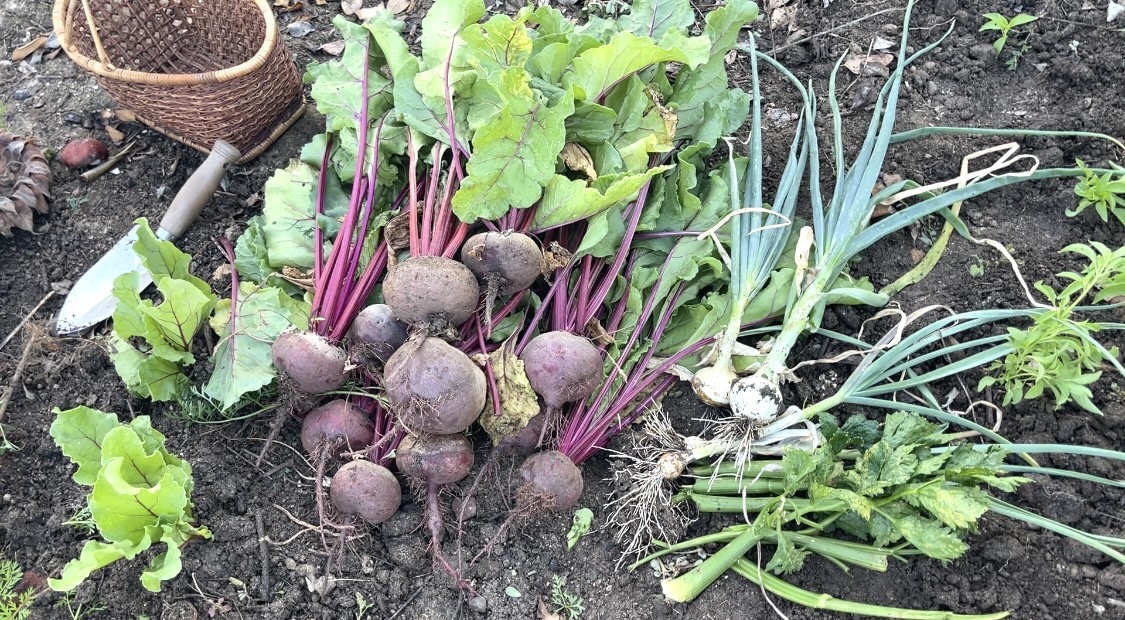
Converting Lawns into Food-Producing Gardens — Growing Food, Community, and Hope
In March 2024, we decided to expand our small garden into a larger, communal food-producing space. The idea was simple: instead of using our available lawn only as a traditional landscape, we wanted to transform it into a place where food could grow — food that could nourish our families and eventually be shared with our neighbors.
What began as a small “training” garden at Vlada’s Seeds of Life has grown into something much more meaningful than I originally imagined.
Today, I can look back and say with gratitude that our project was a success.
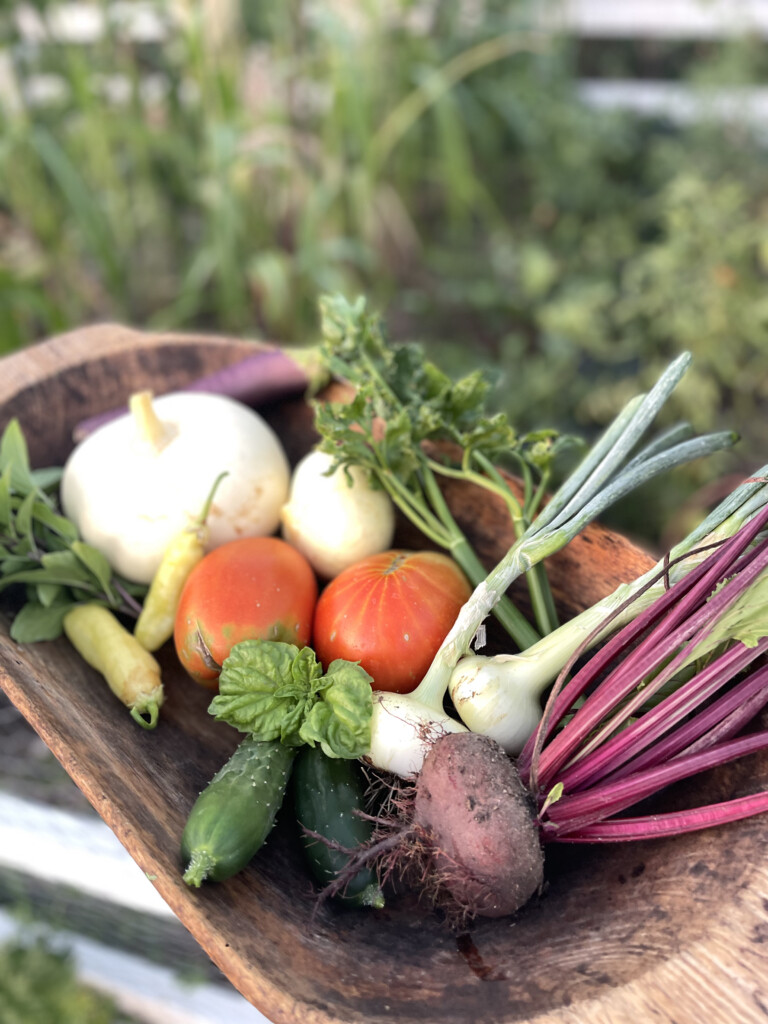
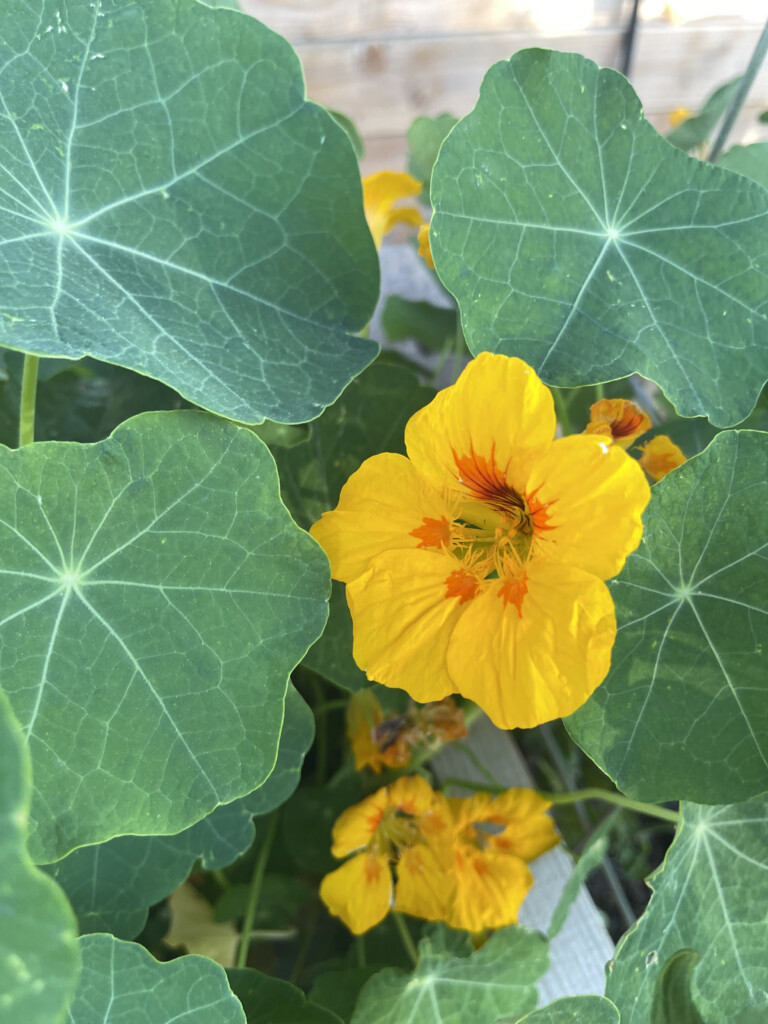
One of the greatest joys has been seeing the garden come alive and already being able to harvest and share fresh fruits and vegetables with our neighbors. Thanks to the beautiful selection of rare and heirloom seeds from “Baker Creek Heirloom Seeds”, we have been growing a wonderful variety of vegetables and experiencing the special satisfaction that comes from planting a seed and watching it become food.
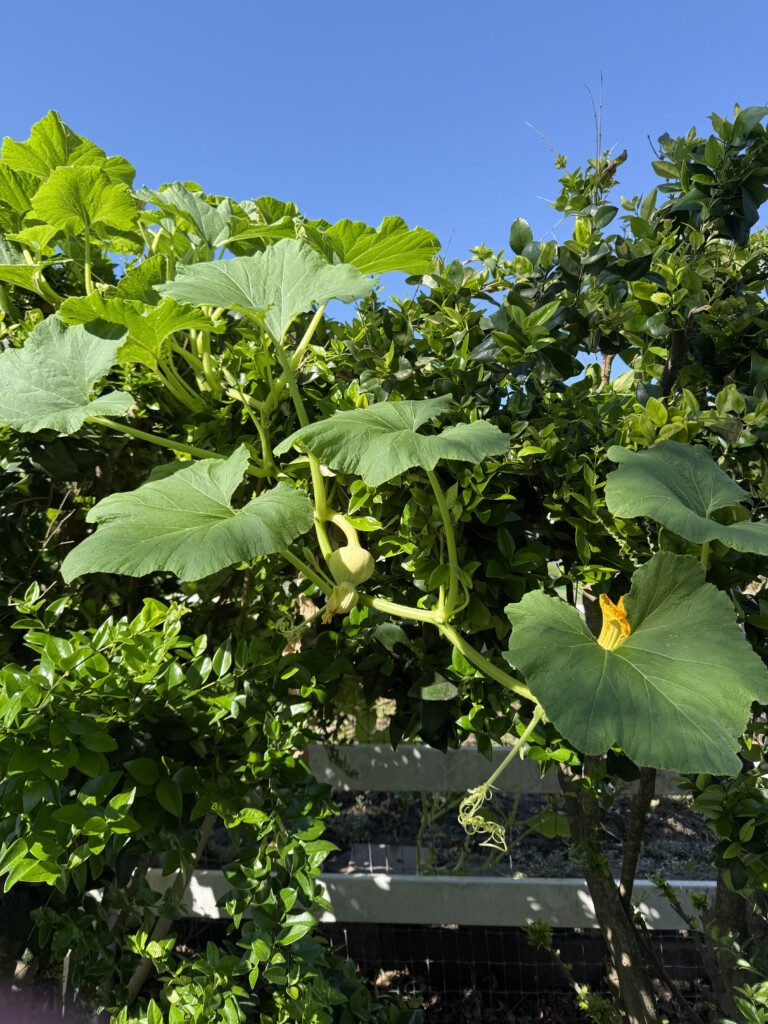
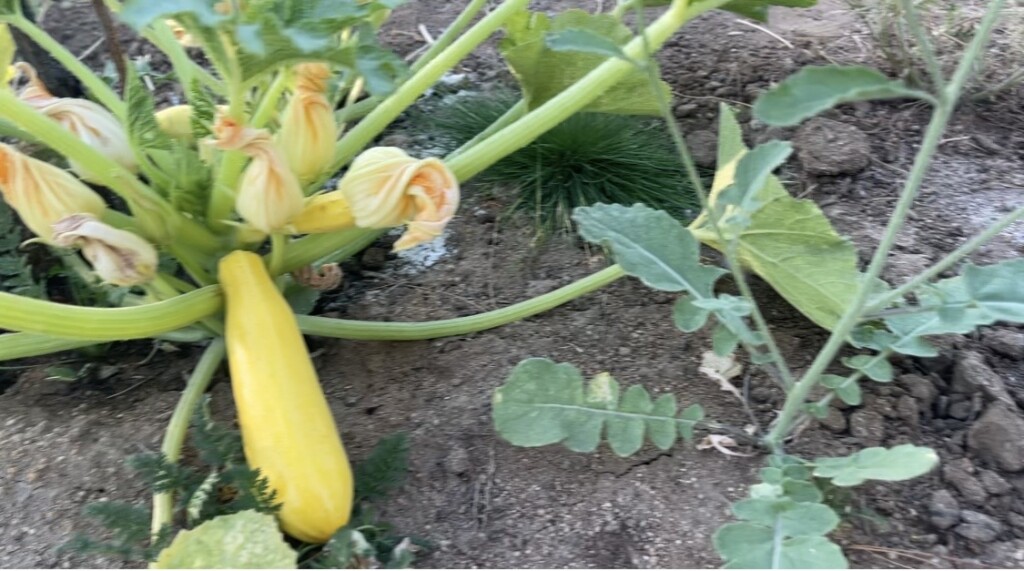
One of our squash vines had a mind of its own this year. It grew and stretched until it crawled right across the fence and into our neighbor’s yard. Our neighbors are a family with three young children, and it has been wonderful to see them discovering the squash growing on their side of the fence and beginning to harvest fresh squash for their family’s meals.
That little squash vine became an unexpected bridge between two yards — and, in a way, between two families.
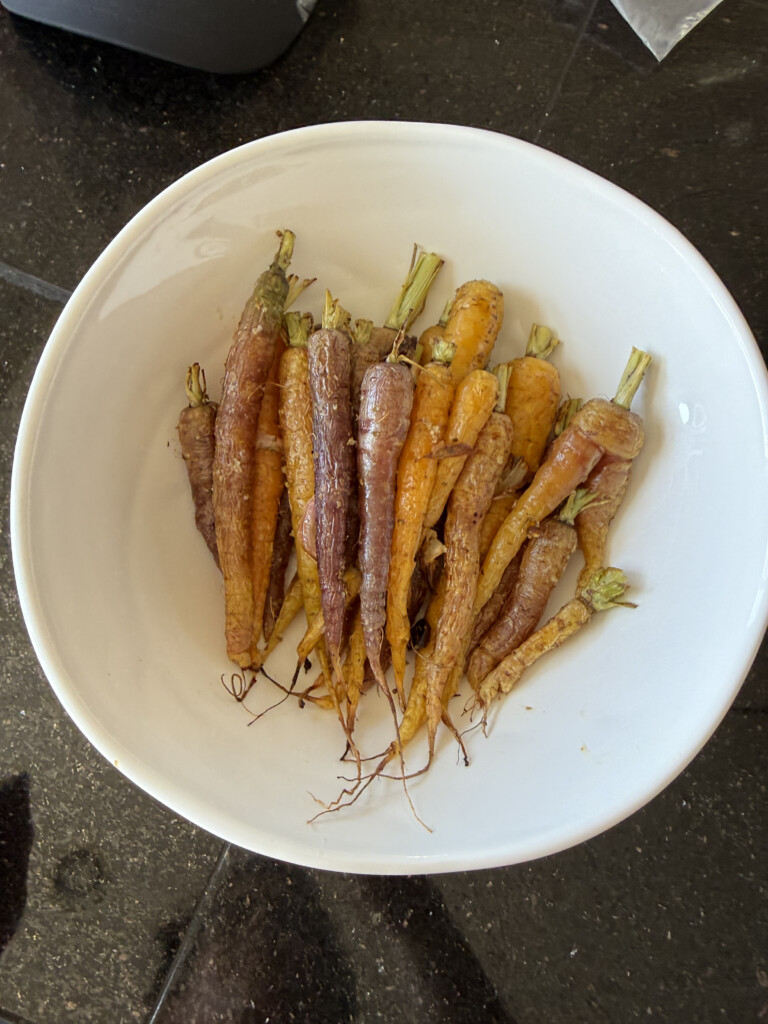
We have also been fortunate enough to share an abundance of carrots and onions with them and with other members of our community. There is something very special about walking into a garden with more food than you need and realizing that what might be “extra” to you can become something meaningful for someone else.
This is the heart of why we began this project.
Converting lawns into food-producing gardens is not simply about growing vegetables. It an opportunity to change the way we think about the spaces around us. A lawn can be beautiful, but a garden can be beautiful and productive at the same time. It can provide food, create habitat for pollinators and beneficial insects, bring people outdoors, and give families an opportunity to reconnect with the natural process of growing food.
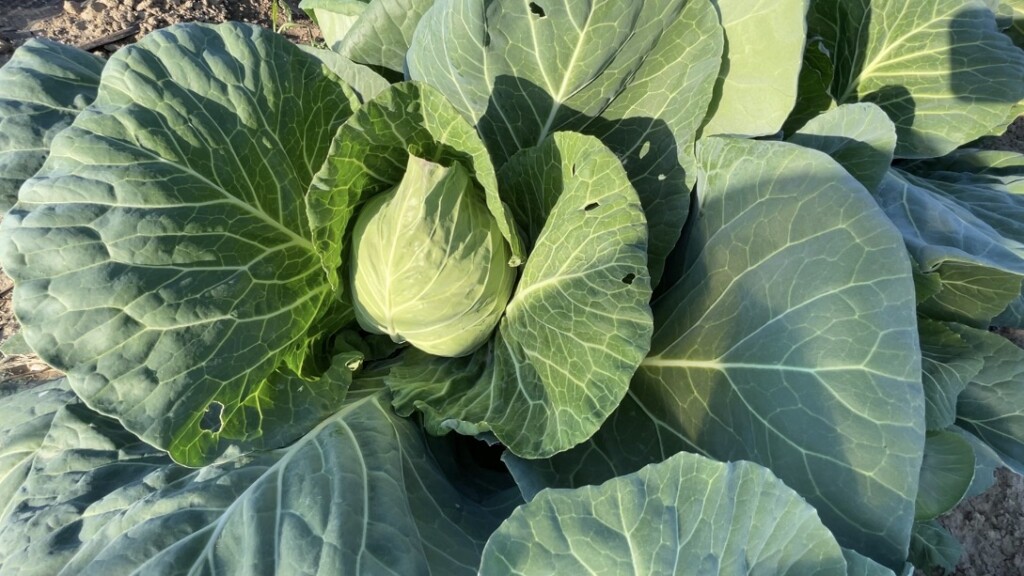
Gardening also gives us a chance to use our resources more thoughtfully. Instead of dedicating every available space to grass that needs regular watering and maintenance, we can create gardens that produce something nourishing. With responsible water use, healthy soil practices, composting, mulching, and appropriate plants, even small spaces can become productive.
There is also important to know where our food comes from. When we plant a seed, nurture the soil, water the plants, watch the first flowers appear, and finally harvest the vegetables, we become part of the food-growing process again. We understand the patience and care behind every meal.
For children especially, this experience can be powerful. A child who picks a squash from a vine or pulls a carrot from the soil is learning something that no grocery store aisle can teach in quite the same way. They are seeing firsthand that food doesn’t simply appear on a shelf.
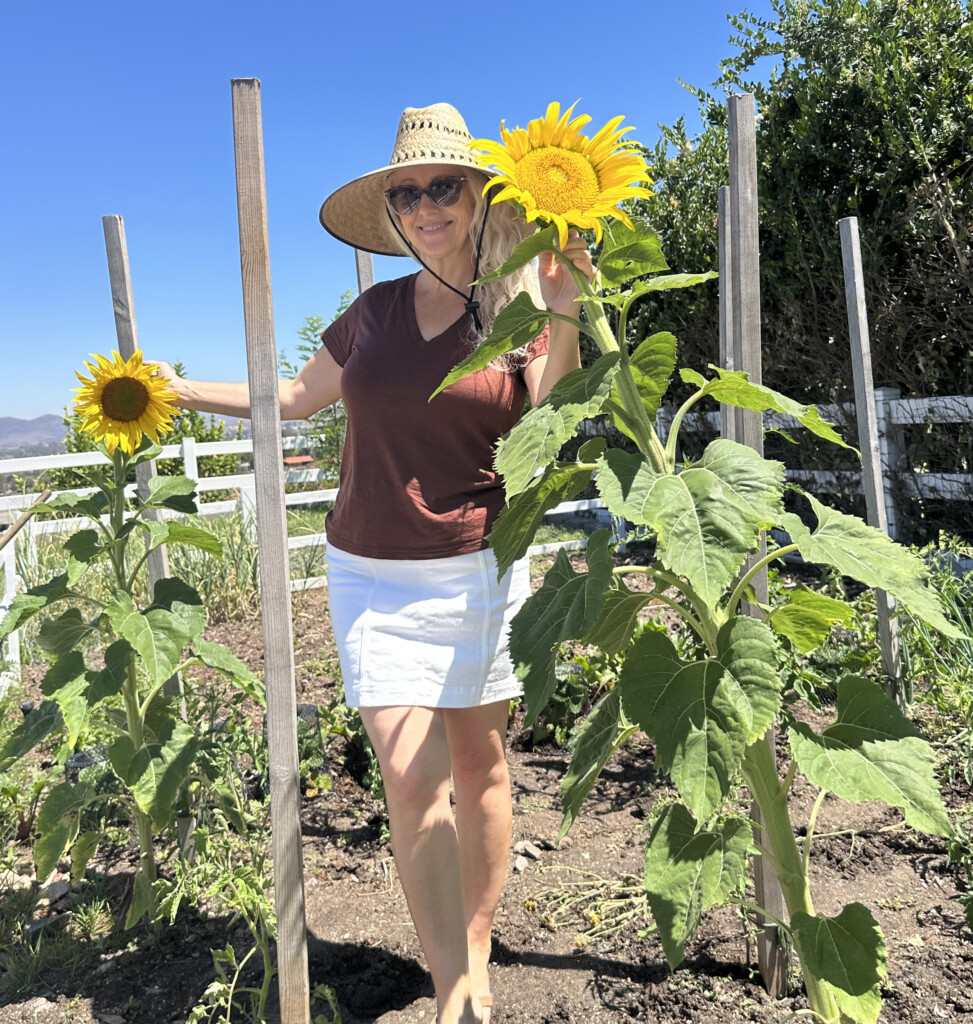
Our garden has also reminded us that food can bring people together.
A harvest can become a conversation between neighbors. A few carrots can become a gift. Extra onions can find their way into another family’s kitchen. A squash vine can cross a fence and unexpectedly feed another family. These may seem like small things, but together they create a stronger sense of community.
When I think about Vlada’s Seeds of Life, this is what I hope we continue to cultivate — not only vegetables, but generosity, knowledge, connection, and a sense of possibility.
Our original goal was to expand a small training garden into a larger communal food-producing space. We wanted to demonstrate that lawns could be transformed into something productive and that growing food could become a common and shared community experience.
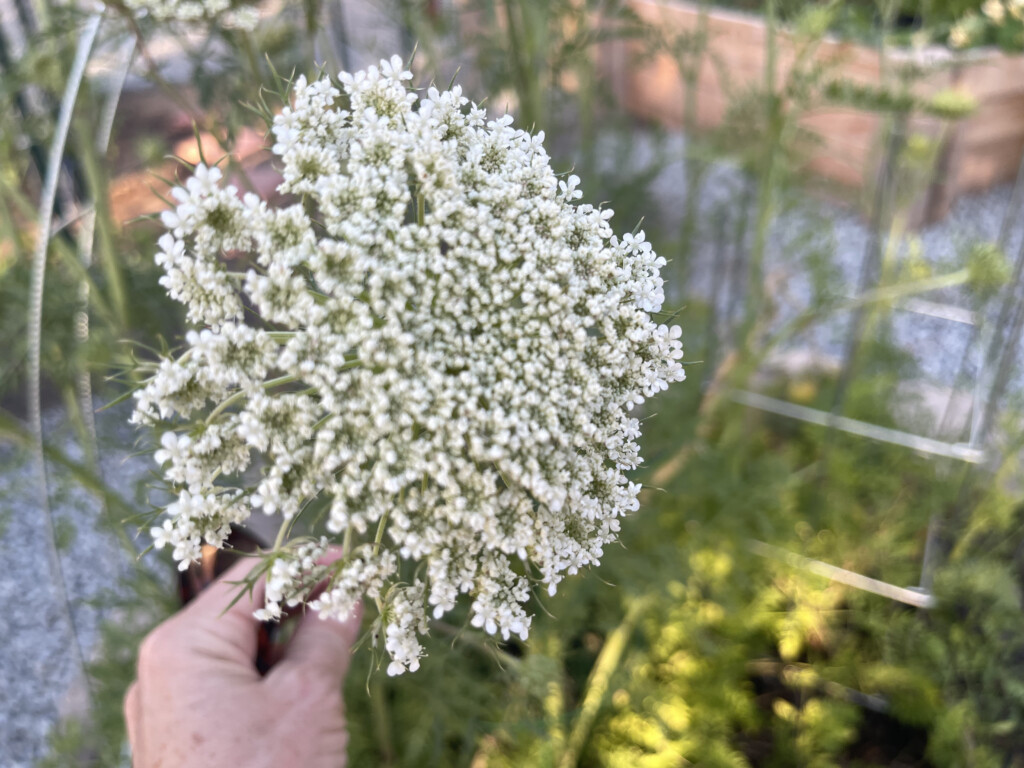
Seeing the harvest now makes that vision feel real.
The carrots and onions we have shared, the squash growing over the fence, the fresh vegetables being carried into our neighbors’ kitchens, and the excitement of seeing children discover food growing just steps from their home — these are the moments that make all the work worthwhile.
A garden teaches us that abundance doesn’t have to mean having more for ourselves. Sometimes abundance means having enough to share.
When we turn a lawn into a garden, we don’t just change the landscape. We change what that space can give back to our families, our neighbors, our community, and the future.