


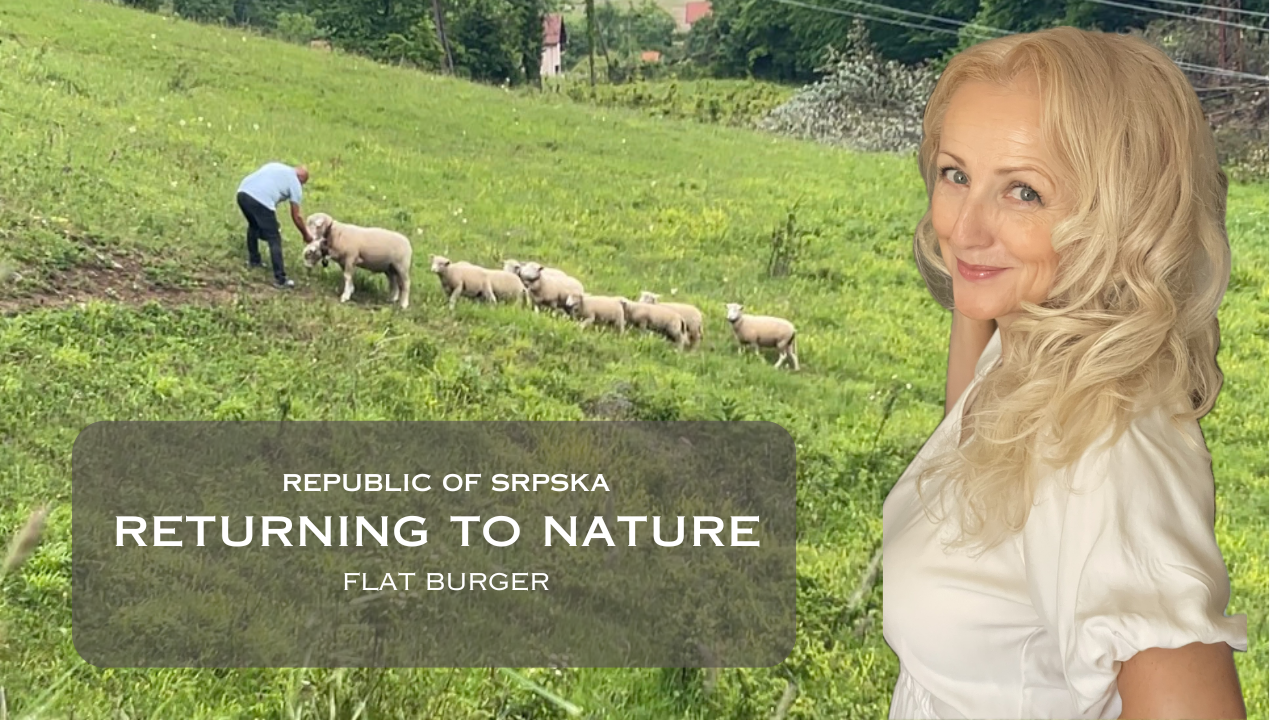
A journey to Serbia – family, culture, tradition, and a way of life.
In the newest episode of Cooking with Vlada, Vlada takes us far beyond the kitchen and across the Atlantic to Serbia, where food tells a story about family, heritage, community, and the connection between people and the land.
The intention behind this episode is simple: to bring a piece of life and culture from abroad to American viewers and open a conversation about something that connects all of us — the food we eat and where it comes from.
Serbia may be thousands of miles away from America, but the questions facing families there are becoming increasingly familiar around the world.
When the Food Landscape Changes
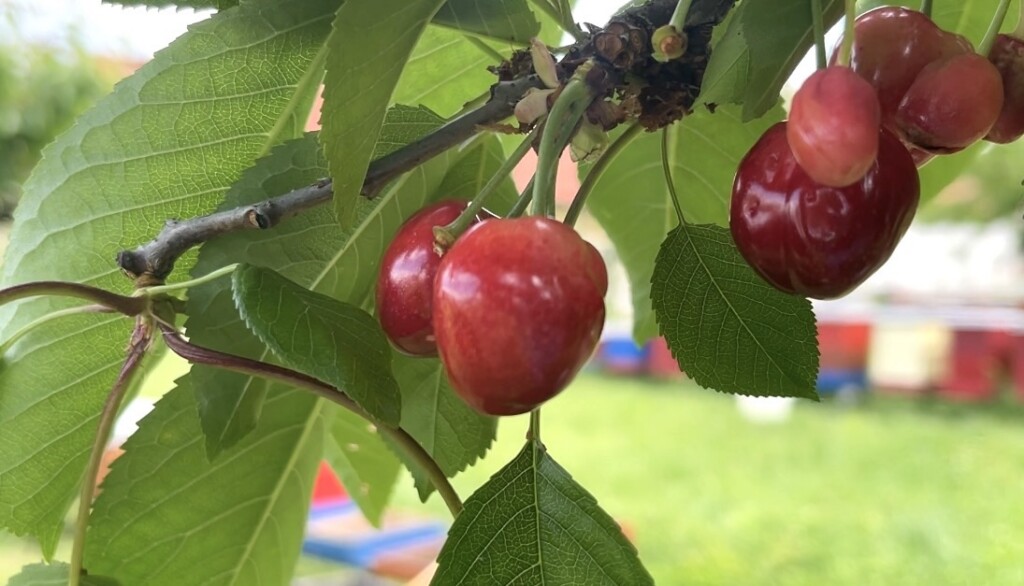
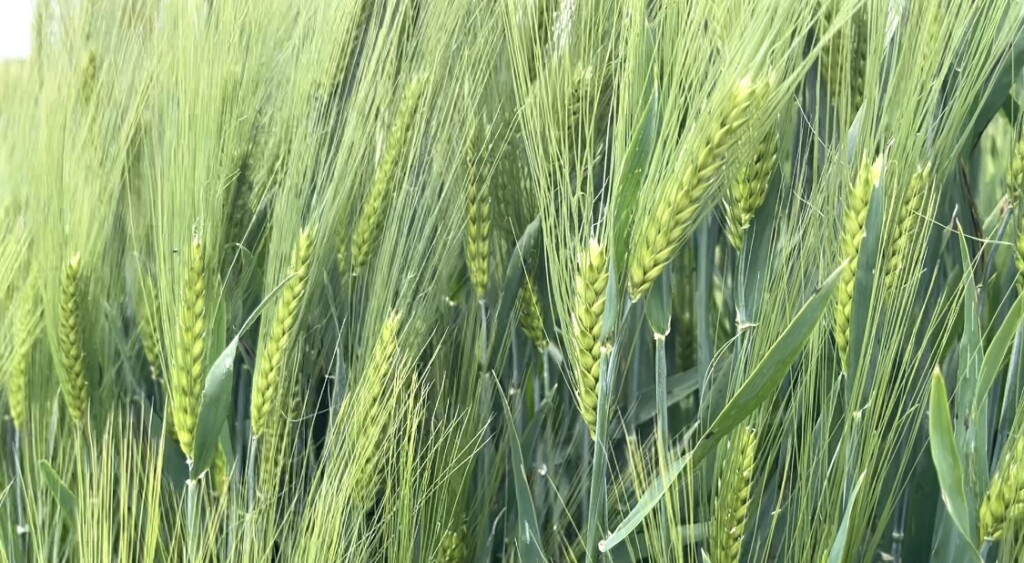
For generations, Serbian families have relied on gardens, orchards, livestock, bread making, preserving, and small-scale farming to provide food for their households. Agriculture remains deeply connected to Serbian culture, and family farms continue to make up the overwhelming majority of agricultural holdings in the country.
But the landscape is changing.
As global food companies, large retailers, fast-food chains, and industrial food systems expand into markets across Eastern Europe, traditional food systems are increasingly competing for space and attention.
American-owned corporations such as PepsiCo, Mondelēz International, Coca-Cola, and Mars have become major global food and beverage players, with brands that are now familiar to consumers throughout Europe. PepsiCo, for example, operates an enormous international portfolio of food and beverage brands and is currently working with agricultural producers in Serbia as part of a broader European farming initiative.
The issue isn’t simply about whether a particular corporation is “good” or “bad.” The larger question is what happens to communities when the food system gradually moves away from local production and toward increasingly centralized, industrialized supply chains.
The Families Who Keep the Tradition Alive
That is why the story of Boba and Rado is so important.
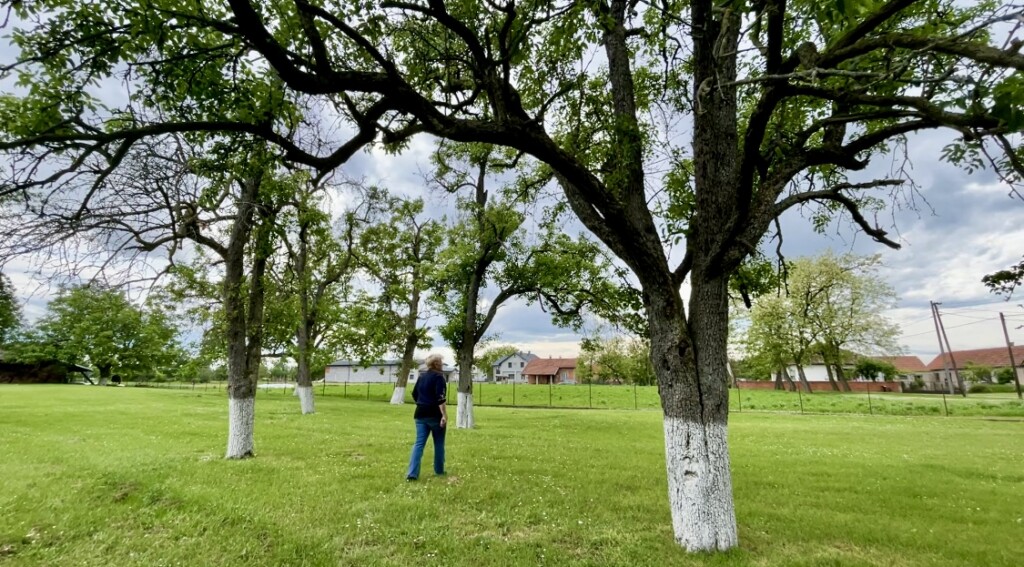
In this episode, Vlada introduces us to a family that continues to believe in the value of producing food the traditional way — not simply for themselves, but for the next generation.
For Boba and Rado, providing clean, wholesome food for their grandson is an expression of love.
There is something powerful about watching grandparents teach a child where food comes from — not from a supermarket shelf, but from soil, seeds, animals, seasons, hard work, and patience.
Serbia’s agricultural traditions remain deeply connected to this idea. The country’s family farms are recognized as important not only economically, but also for preserving rural communities, local knowledge, traditional food production, and cultural heritage.
A Story From Serbia With a Message for America
Vlada’s goal is not to suggest that American families should simply copy the Serbian way of life.
It is to encourage us to look, learn, and remember.
There was a time when growing tomatoes in the backyard, keeping chickens, preserving vegetables, making bread, or sharing food with neighbors was an ordinary part of life for many American families.
Some of those traditions are still alive today. Others are being rediscovered by a new generation interested in gardening, homesteading, farmers markets, local food, and sustainable living.
And perhaps that is where cultures can learn from one another. A family in Serbia may have something to teach a family in California. A farmer in America may have something to teach a family in Serbia.
A grandmother’s recipe may travel across an ocean and become part of another family’s table.
Food has always had a remarkable ability to connect people.
The Bigger Conversation: Who Controls Our Food?
The question of food independence is becoming increasingly important.
We live in a world where food can travel thousands of miles before it reaches our dinner table. Global supply chains have created tremendous convenience and access, but they can also make communities vulnerable when disruptions occur.
At the same time, traditional knowledge can disappear surprisingly quickly.
Knowing how to grow a vegetable, save seeds, preserve food, bake bread, raise animals, or cook from basic ingredients may seem old-fashioned in a world of convenience.
But those skills are forms of resilience. And they create a deeper relationship with the food we eat.
Serbia provides an especially interesting window into this conversation because small family farms remain so prevalent, even as globalization, demographic change, and market pressures continue to reshape agriculture. The country’s 2023 agricultural census recorded more than 508,000 farms, with family farms accounting for 99.6% of them.
The World is Opening Up — Let’s Learn From Each Other
As travel and connections between America and Eastern Europe continue to expand, opportunities to exchange knowledge and experiences become more valuable.
We don’t have to agree on everything and wee don’t have to live the same way. But we can learn from each other. And we can ask ourselves what traditions from our own families are worth protecting.
Back to the Table**.**
Boba and Rado’s story takes place halfway around the world, but the lesson is universal.
We all want our children and grandchildren to have access to good food. We want our communities and families to be strong and healthy.
And perhaps the way forward isn’t about choosing between the old world and the new one, it is about taking the best of both.
We can embrace technology while remembering how to grow a garden We can enjoy the convenience of modern life while learning how to make bread from scratch. And we can shop at supermarkets while supporting local farmers.
But most importantly, we can look beyond our own borders to learn how other cultures and other families preserve valuable knowledge for their next generations.
Watch the newest episode of Cooking with Vlada and join us on the journey back to the natural way of life.