


Our food system faces many challenges. Fresh produce can be expensive or difficult to access in some communities, families have limited time to prepare meals, and many people have become disconnected from the process of growing food.
According to the U.S. Department of Agriculture, 13.7% of American households experienced food insecurity at some point in 2024. This means that millions of households struggled to consistently access enough food for an active, healthy life.
No single backyard can solve a problem of this scale. But small gardens, community gardens, school gardens, and local food-growing initiatives can be meaningful parts of the solution.
Imagine if more families had even a small space dedicated to growing tomatoes, leafy greens, herbs, cucumbers, peppers, or seasonal squash. A sunny corner, a raised bed, or several containers on a patio can become a source of fresh ingredients. With thoughtful planning, gardens can also help families reduce some grocery expenses, discover new foods, and make healthier choices more accessible.
Gardening gives us a little more control over what we grow and how we grow it. We can choose varieties we love, learn about soil health, compost suitable organic materials, conserve water, and use responsible gardening practices.
Gardens will not replace the need for affordable grocery stores, strong local farms, food assistance, and broader solutions to food insecurity. But they can help rebuild a healthier relationship with food while strengthening families and communities.
How transforming our backyard transformed our lives
When we converted our backyard into a garden, we were creating more than a place to grow vegetables. We were creating a place to live a little differently.
Today, our garden is one of our family’s favorite gathering places. It brings us outdoors and gives us something enjoyable to do together. We plant, water, prune, harvest, experiment, and share the satisfaction of watching something grow because of our collective efforts.
Some days, the reward is a basket full of fresh ingredients. Other days, it is simply spending time outside, talking, laughing, enjoying the sunshine, or discovering something new among the plants.
And then there are the moments when we bring our harvest into the kitchen. A handful of freshly picked herbs can transform a simple dish. A ripe tomato becomes the centerpiece of a salad. Fresh greens inspire an entirely different meal than the one we had planned.
These ingredients are special not simply because they are fresh, but because we know the story behind them. We remember planting them, caring for them, and waiting for the right moment to harvest.
Our garden has become a source of nourishment on several levels: physical, emotional, and social. It encourages us to be active, spend more time outdoors, eat a wider variety of produce, and appreciate the rewards of working together.
Perhaps the greatest lesson is that we do not need a perfect garden or an enormous harvest to experience these benefits. We just need to begin.
The garden is where some of our finest ingredients grow, but it is also where some of our finest family memories are made.
Back to the pumpkin: A vegetable with so much more to offer
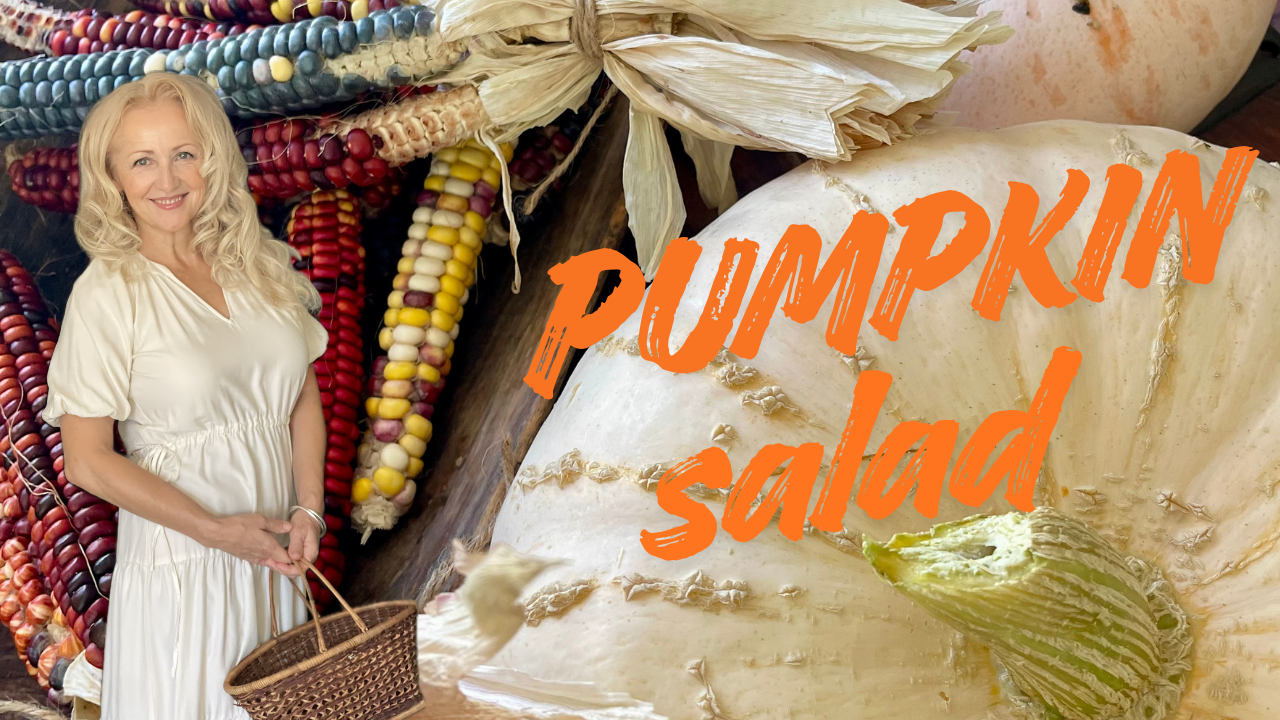
This brings us back to our pumpkin video: FRESH PUMPKIN SALAD
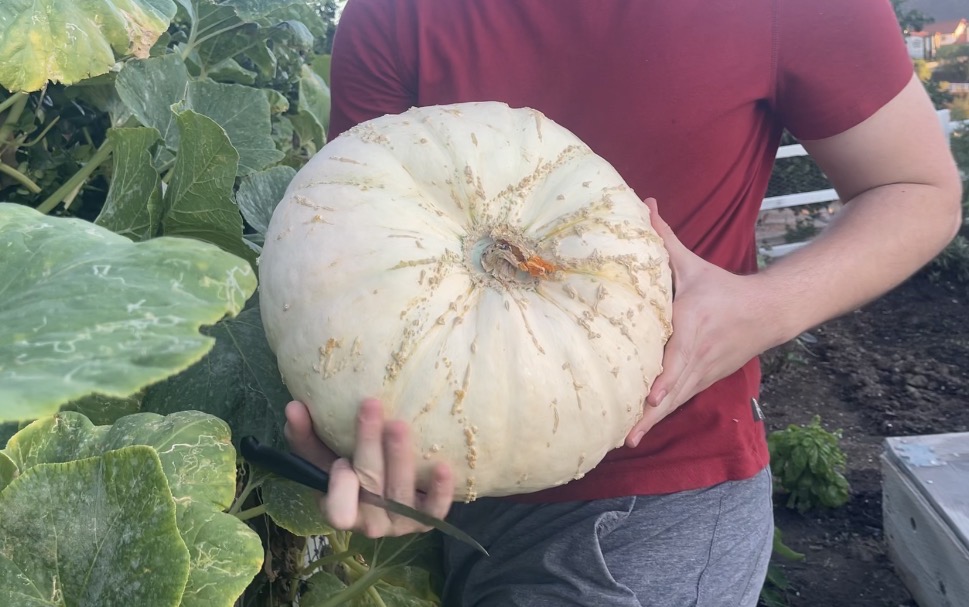
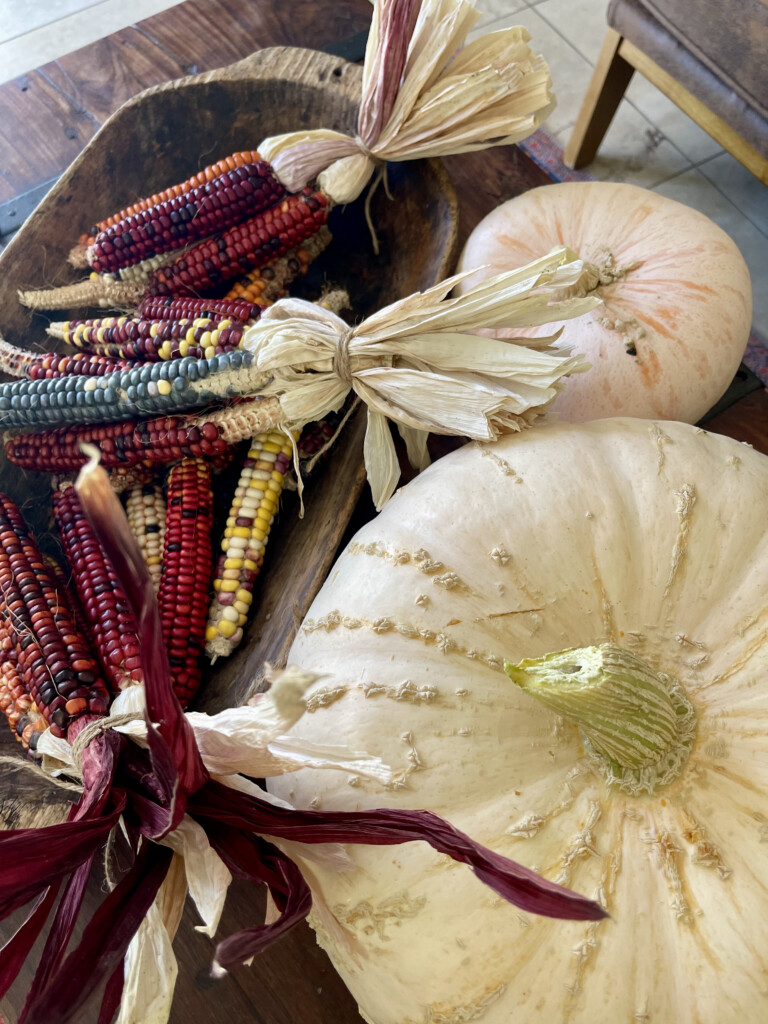
Pumpkin is a wonderful example of a familiar ingredient that deserves a much bigger place in our kitchens. For many people, pumpkin immediately brings to mind pumpkin pie, autumn desserts, and holiday celebrations. Although these are delicious traditions, pumpkin has so much more to offer.
It is versatile, nutritious, and surprisingly easy to incorporate into everyday meals. Its vibrant orange color comes largely from carotenoids, including beta-carotene, which the body can convert into vitamin A. Pumpkin also provides fiber and other nutrients that contribute to a balanced diet.
Instead of saving pumpkin for special occasions, we can make it a regular part of our seasonal cooking.
Fresh pumpkin in salads
One of the most interesting ways to explore pumpkin is to enjoy it fresh.
Choose a fresh, edible pumpkin variety with tender flesh, wash the exterior thoroughly, peel it, remove the seeds and stringy interior, and slice or grate the flesh thinly. Not every decorative pumpkin is pleasant to eat raw, so choose a culinary variety intended for eating.
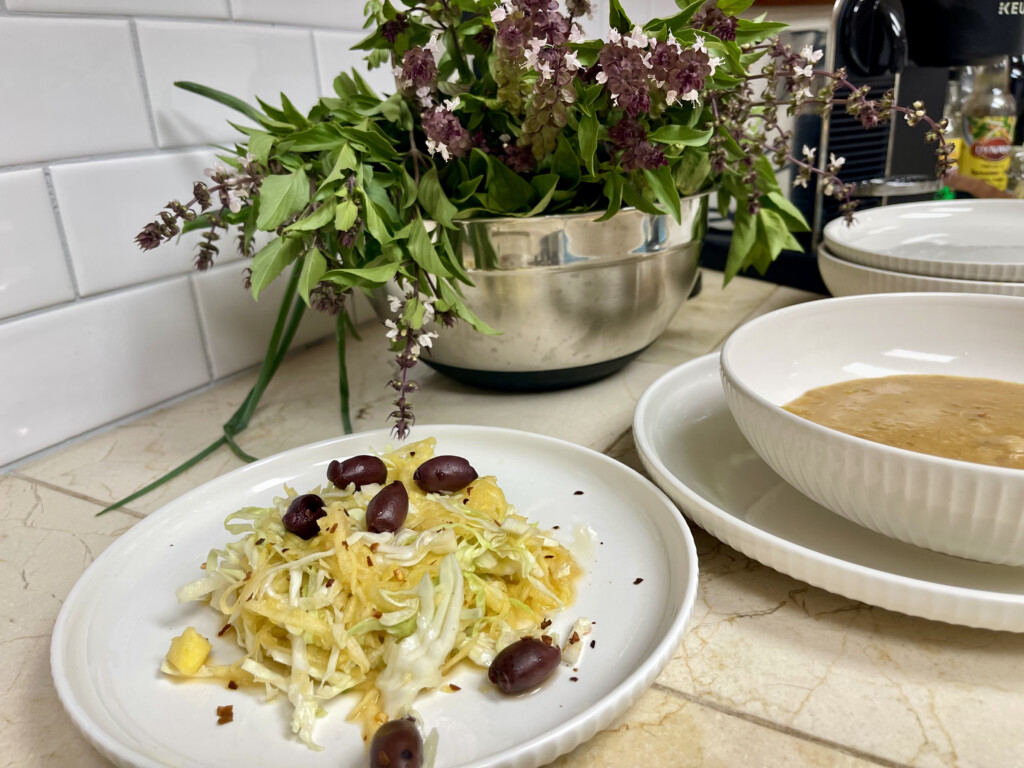
Thinly sliced or grated raw pumpkin can bring a mild sweetness and delicate crunch to a salad. Try combining it with:
- Baby spinach or arugula for leafy freshness.
- Shredded carrots for extra color and crunch.
- Apple slices or pomegranate seeds for a sweet, fruity contrast.
- Toasted pumpkin seeds for texture.
- Fresh parsley or mint for an aromatic touch.
- Lemon juice and extra-virgin olive oil for a simple dressing.
The result is a colorful, refreshing salad that celebrates the natural flavor of fresh produce.
Raw pumpkin retains its natural texture and avoids the nutrient changes that can occur with cooking. However, raw is not automatically healthier than cooked: cooking can improve the availability of some carotenoids, and the amount of nutrients absorbed also depends on the preparation and the rest of the meal. Both fresh and cooked pumpkin can be excellent choices.
More delicious ways to cook with pumpkin
The possibilities extend far beyond pie.
Creamy pumpkin soup
Roasted pumpkin and vegetable bowls
Pumpkin pasta sauce
Pumpkin pancakes and muffins
Pumpkin and bean stew
Pumpkin seeds as a nutritious extra
These simple ideas make it easier to use an entire harvest creatively, reduce waste, and introduce more variety into family meals.
A healthier future can begin in our own backyard
Our journey from backyard to garden has reminded us that many important changes begin with small decisions. Choosing to grow a few vegetables, making a fresh salad, trying pumpkin in a new recipe, or involving children in preparing dinner may seem like simple acts. Together, they can help create healthier habits and a stronger connection to the natural world.
We cannot solve every food challenge with a garden. But we can grow a little more of our own food, learn to use it creatively, share our harvest with others, and inspire our children to appreciate what real food looks, tastes, and feels like.
We can nourish our bodies with variety, give our gut microbes a broader range of plant fibers, and teach the next generation that food does not begin in a supermarket. It begins with soil, seeds, sunlight, water, and care.
And sometimes, the most beautiful part of the harvest is not what we bring into the kitchen. It is the time we spend together along the way.
A little inspiration for your next meal
Watch our pumpkin video and discover another way to appreciate this versatile ingredient:
🎃 Watch the pumpkin video on YouTube
Then visit your garden, local farmers’ market, or produce section, choose a colorful selection of seasonal vegetables and fruits, and let nature inspire your next family meal.