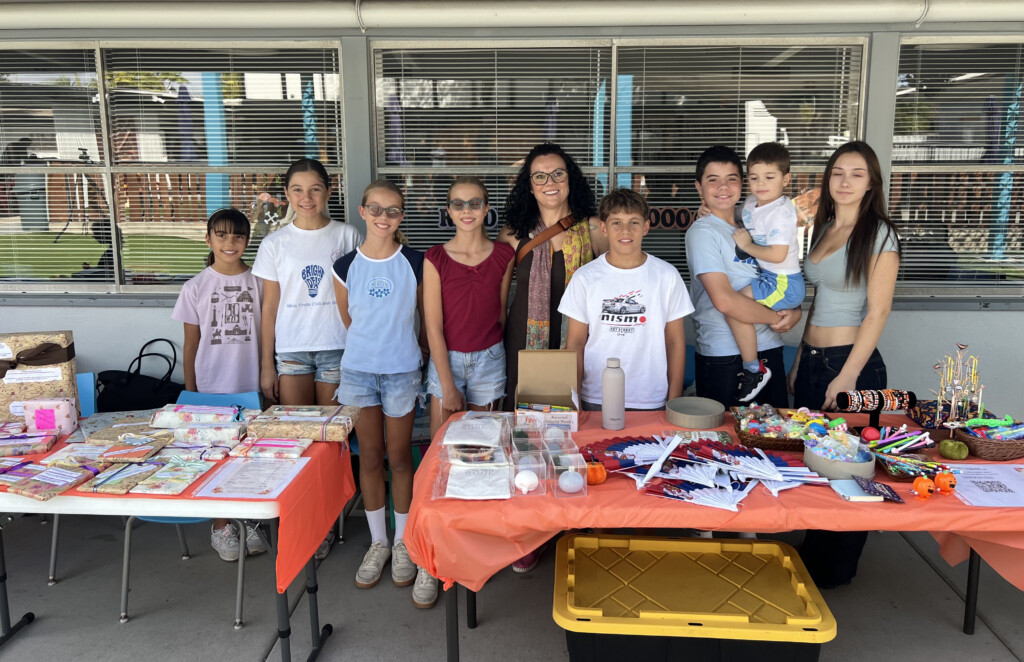


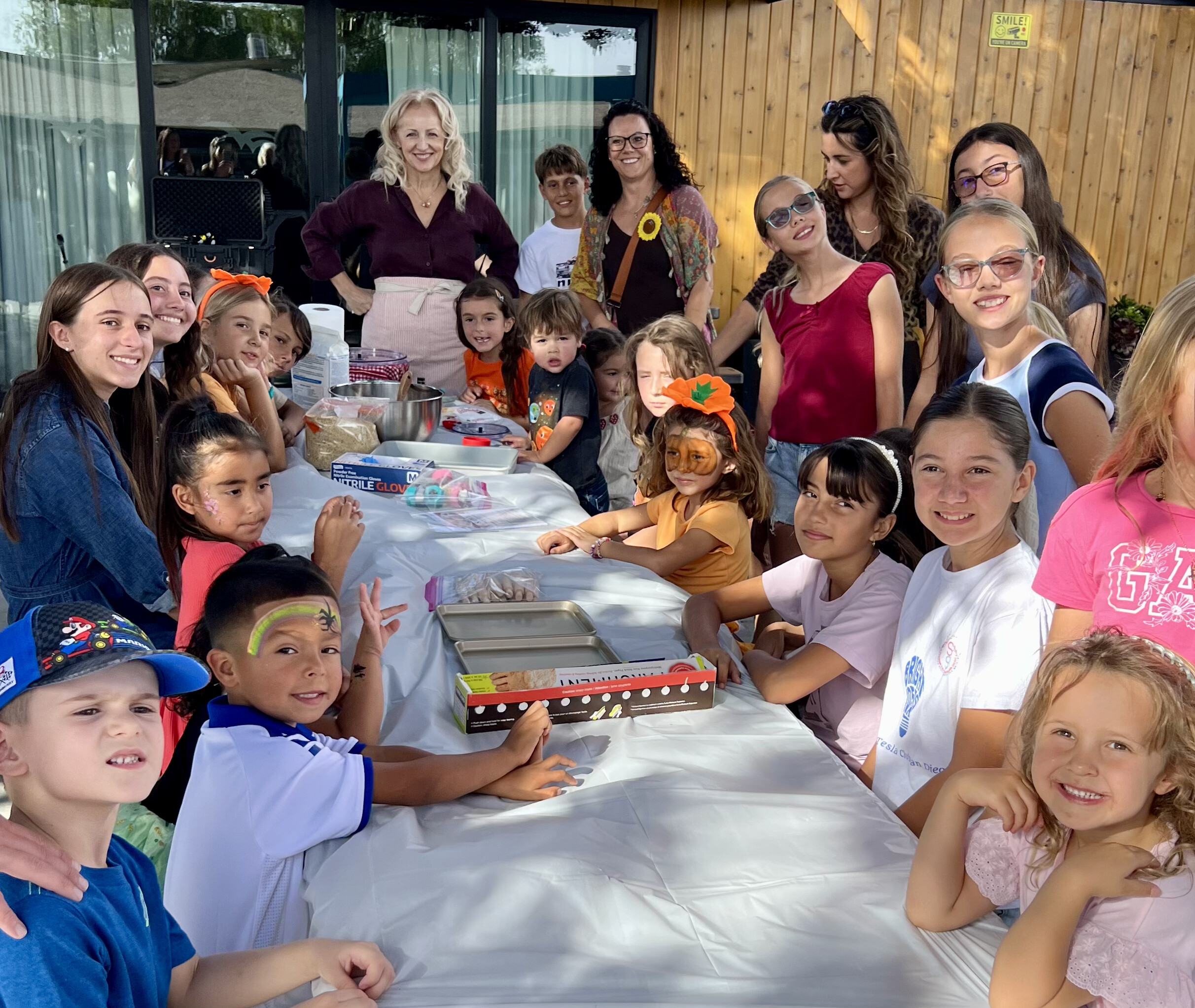
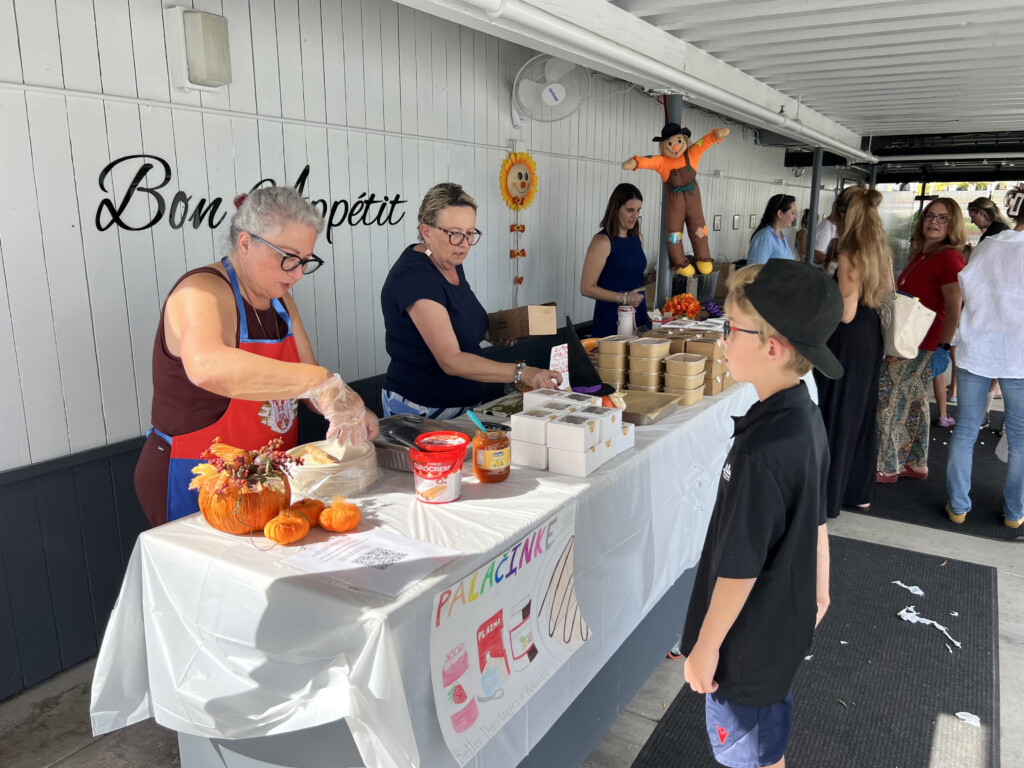
On October 17, 2026, Vlada Vladic joined the Serbian Cultural Center in San Diego for its annual fall fair, Jesenji Vašar, bringing the warmth of traditional Serbian baking to a wonderful gathering of children and families. Held at the La Jolla French School, the event celebrated Serbian culture, community, and heritage through food, traditions, and activities for all ages.
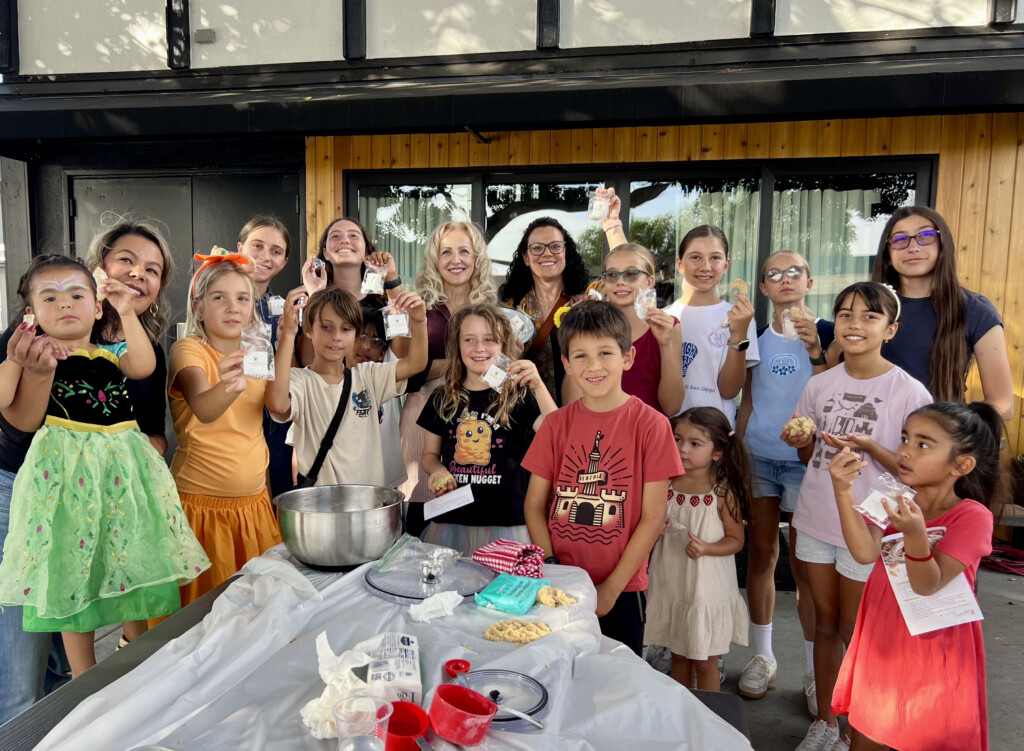
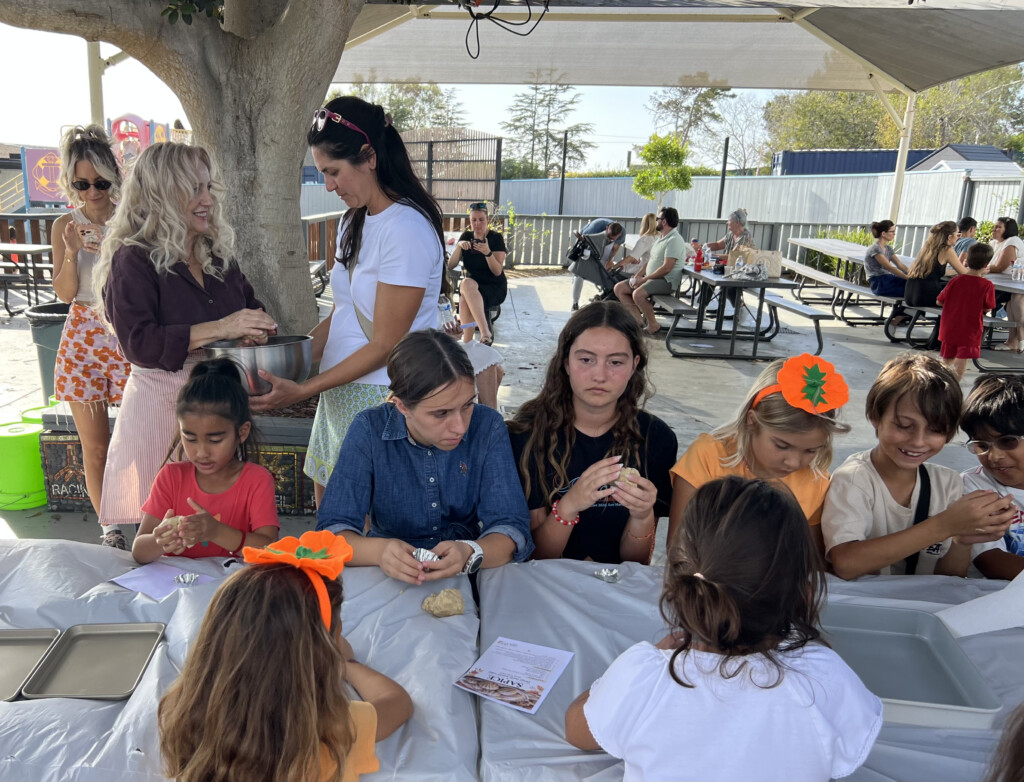
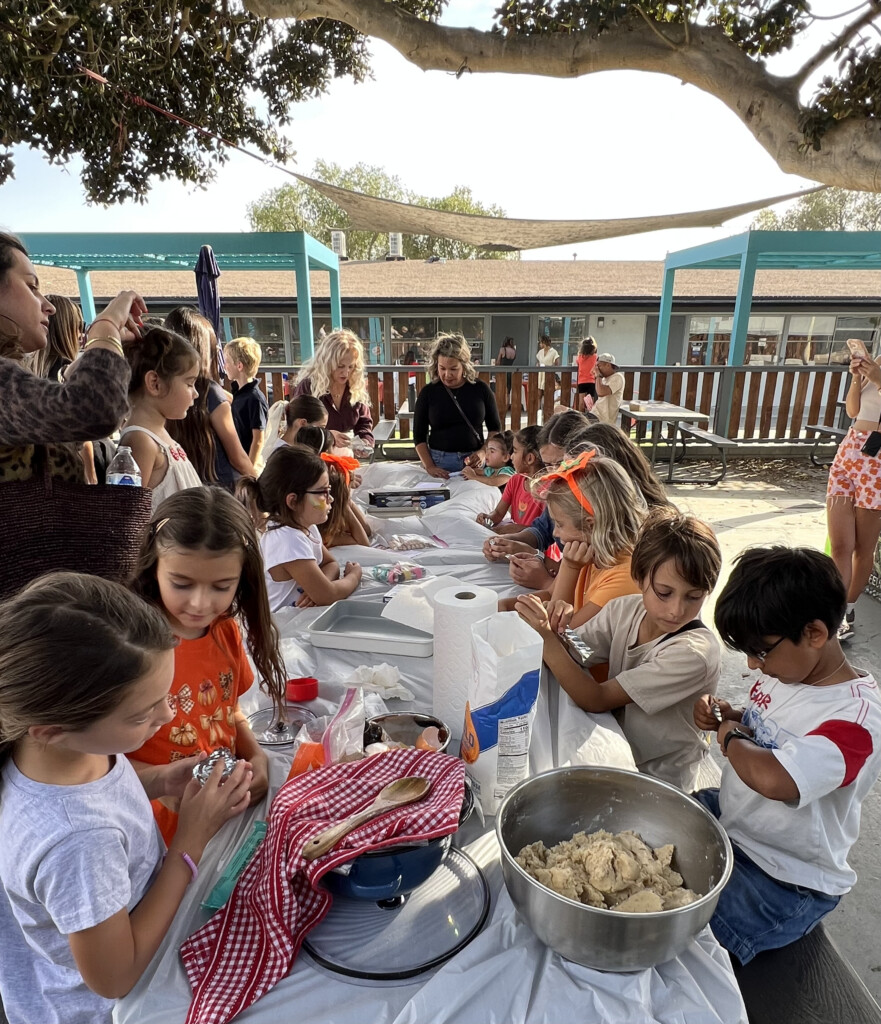
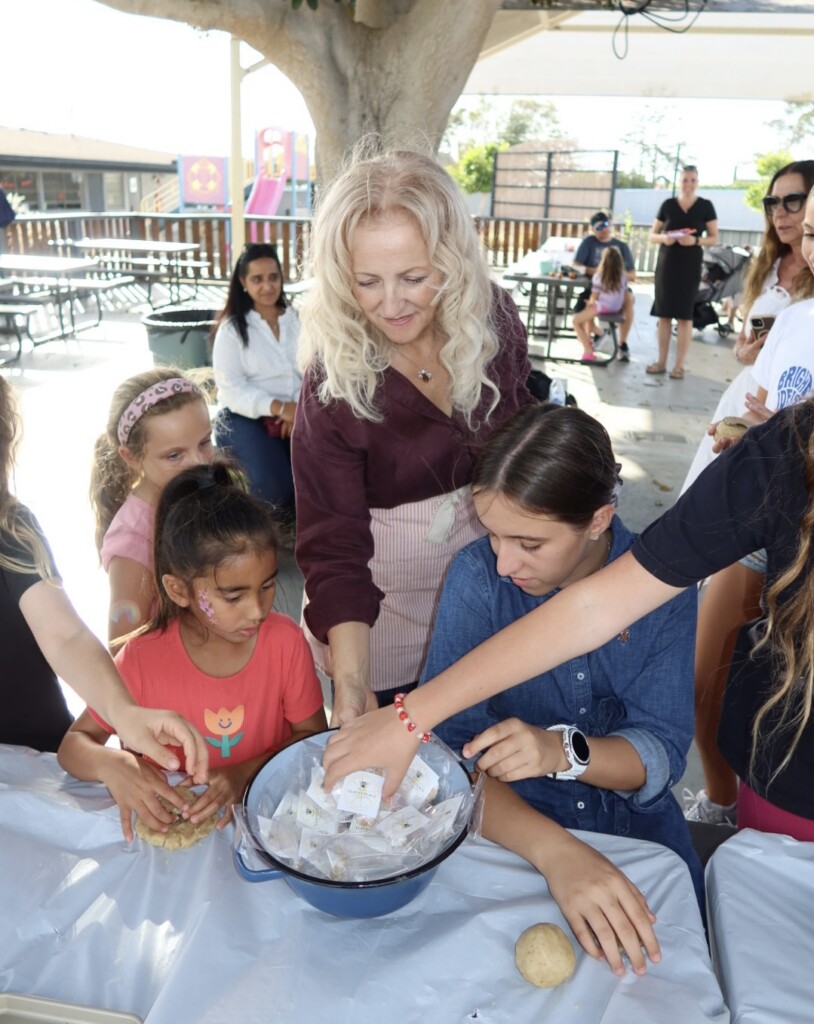
As part of the celebration, Vlada led a special baking class for children attending the Serbian school, introducing them to one of the most beloved traditional cookies of the Serbian and wider Balkan region: Šapice.
A Taste of Tradition
Recently featured in one of Vlada’s blog posts, Šapice are old-fashioned Serbian cookies whose charm lies in their simplicity, wholesome ingredients, and enduring place in family kitchens across generations.
Vlada chose this recipe especially for the children because it is easy to prepare, offers a wonderful introduction to home baking, and connects young participants with a culinary tradition passed down through families for generations.
Made with butter, walnuts, eggs, sugar, flour, and vanilla, Šapice demonstrate how a handful of simple ingredients can create something truly special. Walnuts contribute their naturally occurring unsaturated fats, along with flavor and texture, while butter and vanilla give these traditional cookies their familiar richness and aroma
Most importantly, the children were introduced to a recipe that carries a story—a reminder that food can preserve memories, connect generations, and keep family traditions alive.
Celebrating the Serbian Cultural Center and Its Mission
The Serbian Cultural Center in San Diego ( Serbian Cultural Center San Diego ) plays an important role in preserving and sharing Serbian heritage, language, customs, and traditions. Through cultural gatherings, educational activities, and community celebrations, the Center helps younger generations maintain a meaningful connection to their roots while inviting the wider community to appreciate Serbian culture.
Events such as Jesenji Vašar bring these traditions to life. Families have the opportunity to gather, celebrate their shared heritage, introduce their children to customs from their homeland, and pass on the stories and practices that make their culture unique.
Vlada Vladic and the Serbian Cultural Center have enjoyed a collaborative relationship for several years, united by a shared appreciation for family, education, traditional food, and the importance of keeping cultural heritage alive.
Their continued collaboration reflects a common belief: traditions are best preserved when they are experienced, shared, and passed on to the next generation.
Why Preserving Culinary Heritage Matters
Every culture around the world has recipes that tell a story. Traditional foods reflect the ingredients available to earlier generations, the rhythms of family life, regional customs, and the ways people gathered to celebrate important moments.
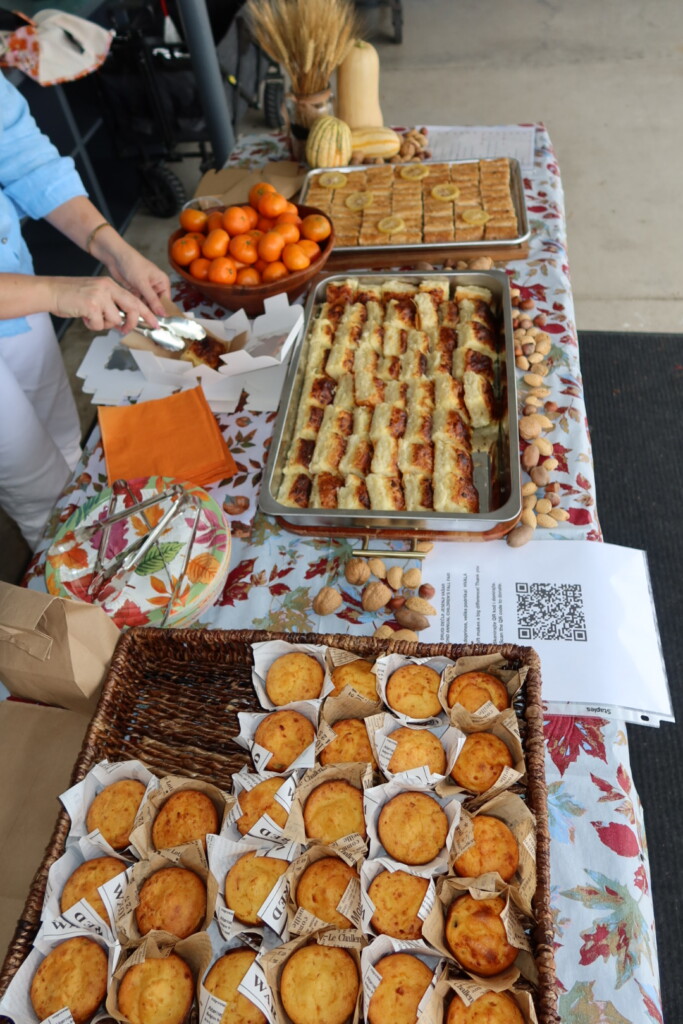
Preserving these culinary traditions is about much more than keeping recipes alive. It is about protecting a part of our collective human heritage.
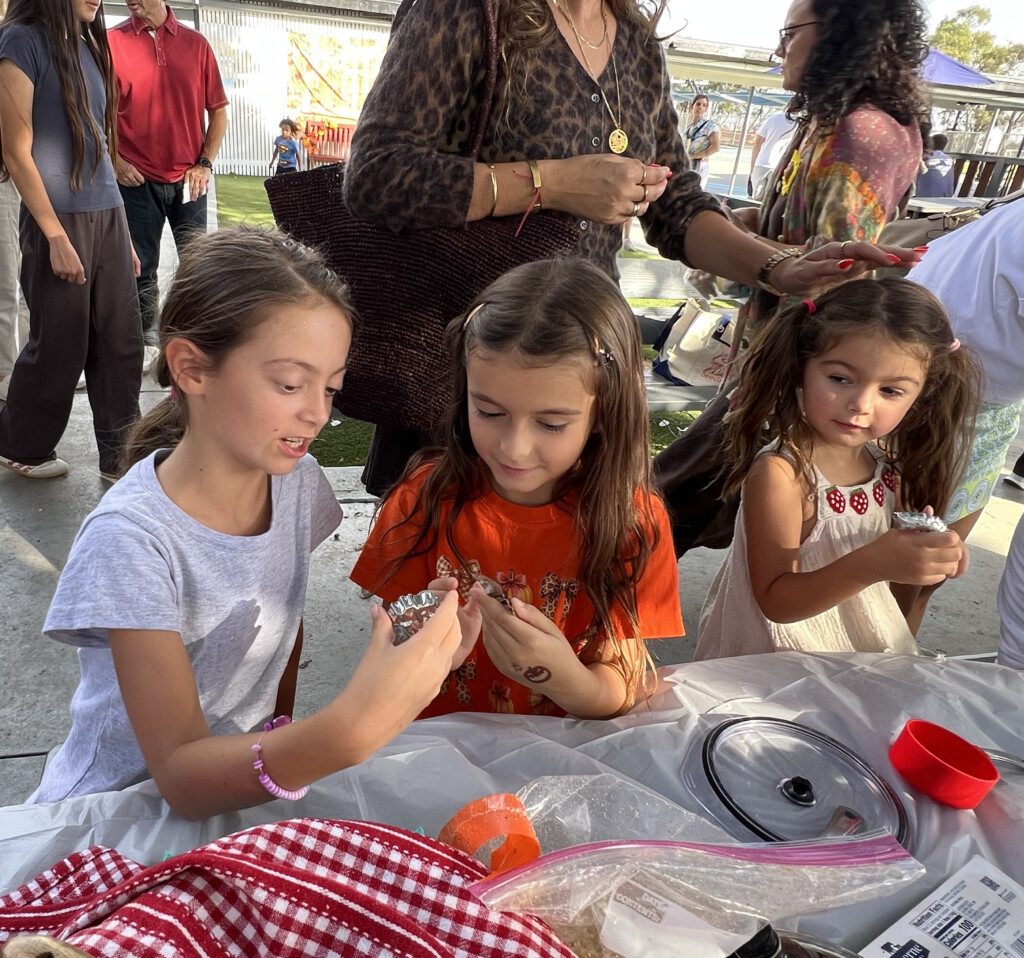
When children learn to prepare traditional foods, they gain a tangible connection to the generations that came before them. They discover how recipes travel through families, how food brings people together, and how cultural identity can be expressed through something as simple as a homemade cookie.
At the same time, sharing these traditions across cultures encourages curiosity, appreciation, and understanding. By introducing children to the foods and customs of different communities, we help nurture a world where cultural diversity is celebrated and respected.
For Vlada, this philosophy closely aligns with her broader commitment to helping families reconnect with wholesome food, home cooking, and meaningful shared experiences. Whether teaching children to bake traditional Serbian cookies or encouraging families to grow and prepare their own food, the goal remains the same: to bring people together through simple, nourishing traditions.
One Recipe, Generations of Memories
The gathering at the La Jolla French School was a wonderful opportunity to bring Serbian culinary heritage into the classroom and allow children to experience a piece of their culture firsthand.
Through Šapice, Vlada shared more than a recipe. She shared a tradition shaped by generations of home cooks, a reminder of the value of simple ingredients, and the joy that comes from preparing food together.
As Vlada Vladic and the Serbian Cultural Center continue their collaboration, experiences like this reinforce the importance of investing in our children, celebrating our cultural roots, and preserving the traditions that make every community special.